Products in this article:


What Is a Tenugui Towel?
A tenugui is a traditional Japanese cotton cloth that has been used for centuries. During the Edo period (1603–1868), cotton became widely available, and tenugui towels became everyday essentials for drying, wrapping, covering the head, and decoration.
Thin, lightweight, and easy to carry, cotton tenugui towels are generally absorbent and quick-drying. They can be used as hand towels, handkerchiefs, or dish towels. Their absorbency and drying speed depend on the fabric's thickness, weave, and finish.
Traditional tenugui towels often feature unhemmed ends that allow moisture to evaporate quickly. Some fraying may occur at first, but it gradually subsides. Simply trim loose threads with scissors without pulling them.
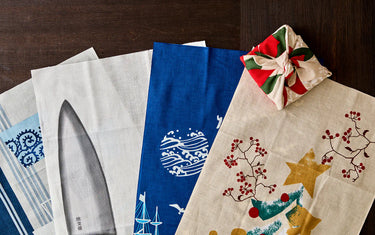
Tenugui towels are also known for their beautiful designs, ranging from traditional Japanese patterns to seasonal motifs and modern styles. These distinctive designs bring a touch of Japanese elegance to everyday life.
Versatile and practical, tenugui towels can be used for wrapping, wiping, and decorating. They are especially suitable for holiday gift wrapping, as the cloth can be reused long after the gift is opened.
Various Ways to Use Tenugui Towels
A single tenugui towel can serve many purposes in everyday life. Beyond drying hands and dishes, it can add a decorative touch to the dining table, be worn around the neck, or displayed on a wall.
Tenugui towels are especially appealing for gift wrapping, as the cloth itself becomes part of the gift. Unlike disposable wrapping paper, a tenugui can be reused as a handkerchief, kitchen towel, or home decoration. It offers a beautiful and practical way to wrap seasonal gifts, especially during the holiday season.
Another advantage is their versatility. After being used for gift wrapping or wrapping a bento box, tenugui towels can easily serve other purposes. Different folding and tying techniques create unique presentations to suit various shapes and sizes. Here are some practical ways to use tenugui towels.
Drying Hands

One of the most traditional uses of tenugui towels is drying hands. They can be used in place of regular towels after washing hands or while cooking. Their thin, quick-drying fabric makes them easy to keep in the kitchen or bathroom without taking up much space.
Tenugui towels are also convenient to carry as handkerchiefs. They fold compactly, fit easily into a bag, and can be used for drying hands or wiping away sweat throughout the day.
However, tenugui towels are thinner than regular towels, so you may need to wring them out or use a dry section when absorbing larger amounts of water. After use, spread them out to dry and avoid leaving them damp for extended periods.
Drying Dishes

Tenugui towels can also be used as dish towels. Their absorbent cotton fabric makes them ideal for drying washed plates, glasses, and cutlery. The thin, soft fabric easily follows the contours of tableware, making it convenient for drying glasses and the rims of small dishes.
Depending on the fabric and finish, low-lint tenugui towels can leave fewer fibers on glassware and dishes, making them suitable for polishing. When choosing a tenugui for drying dishes, consider its texture, absorbency, and drying speed. While thinner and easier to handle than thick dish towels, tenugui towels may be less effective at absorbing large amounts of water at once.
For hygiene, use separate tenugui towels for drying dishes, hands, and countertops. Wash and dry them thoroughly before storing. Choosing a beautifully patterned tenugui also adds a decorative touch to your kitchen.
Using as a Placemat

Tenugui towels can also be used as placemats to enhance your table setting. Simply spread one on the table and arrange plates, bowls, and teacups on top to give everyday meals a fresh look.
Floral and botanical patterns bring a touch of spring, while cool colors and waterside motifs create a refreshing summer atmosphere. Autumn leaves and snowy landscapes add seasonal charm to fall and winter table settings. Changing the design of your tenugui is an easy way to reflect the seasons without buying special tableware.
Having several tenugui towels in different patterns allows you to coordinate your table setting with the season, occasion, or colors of your dishes and tableware. Their long, narrow shape also makes them suitable for use as table runners.
As tenugui towels are made of fabric, they may become stained by food or oil. Wash them promptly if soiled, and be mindful of possible color fading or transfer, especially with darker designs. Keep them away from open flames, and do not use them as trivets for hot pots or pans.
Wearing Around the Neck

Tenugui towels can be worn around the neck or draped over the shoulders to wipe away sweat. Their absorbent cotton fabric makes them useful for walking, sports, outdoor activities, and gardening.
Lightweight and less bulky than regular towels, tenugui towels are comfortable to wear around the neck and easy to reach whenever needed. Their thin fabric also folds compactly, making them convenient to carry when traveling or spending time outdoors.
With a variety of patterns available, tenugui towels can also serve as fashion accessories. A patterned tenugui adds a subtle touch of color to a simple outfit.
However, their thin fabric may not absorb enough moisture during heavy sweating. When wearing one around your neck, avoid tying it too tightly and be careful of snagging during physical activities. If using a tenugui for sun protection, combine it with a hat and sunscreen, as the fabric alone may not provide sufficient UV protection.
Wearing as a Hachimaki Headband

Tenugui towels can also be worn as traditional Japanese headbands called hachimaki. This classic style is commonly seen at festivals, sports days, community gatherings, and other events, adding a festive touch to the occasion.
Their long, rectangular shape makes tenugui towels easy to fold, wrap around the head, and tie securely. Different patterns create different looks, from traditional Japanese motifs to bright, colorful designs.
To wear a tenugui as a hachimaki, fold it to your preferred width, place it across your forehead, and tie the ends behind your head. Adjust the knot for a neat appearance. The thin fabric makes it easy to customize the width and thickness by folding.
During vigorous activities, the knot may loosen or the fabric may slip. Make sure the headband is securely tied and does not obstruct your vision before moving.
Displaying as Wall Decor

Tenugui towels can also be displayed as decorative wall hangings. With designs featuring seasonal flowers, landscapes, and traditional Japanese motifs, they add a distinctive touch to any room.
Using a dedicated tenugui hanger or tapestry holder helps keep the fabric securely in place at the top and bottom for a neat display. While tenugui towels can be attached directly to a wall, this may distort the pattern or leave marks on the fabric. A dedicated hanger is a practical choice for regular display.
Changing the design with the seasons is an easy way to refresh your home decor. Cherry blossoms and flowers are perfect for spring, while goldfish and wind chimes evoke summer. Autumn leaves bring seasonal warmth, while snowy landscapes and Christmas motifs create a winter atmosphere. A single wall hanging can add seasonal charm without elaborate decorations.
You can also change the design for special occasions or when welcoming guests. When not in use, tenugui towels fold compactly for easy storage, unlike framed artwork or large posters.
Avoid displaying tenugui towels in direct sunlight for extended periods, as the colors may fade. Choose a suitable location and check the fabric's condition after long-term display to preserve its beautiful patterns.
Gift Wrapping

Tenugui towels are also ideal for gift wrapping. Like traditional Japanese furoshiki, they can be folded and tied around items to create beautiful, decorative gift wraps.
Unlike disposable wrapping paper or gift bags, tenugui towels can be reused in everyday life after unwrapping. Choosing a pattern that suits the recipient adds a thoughtful touch to the gift. They are perfect for Christmas, New Year's greetings, birthdays, and small thank-you gifts.
For example, to wrap a box of sweets or small gifts, place the item in the center of the tenugui and tie the opposite corners together. Fold the fabric neatly around the item and adjust the knot for a clean finish. Changing the tying method or how the pattern is displayed creates different looks.
Tenugui towels can also be used to wrap bento boxes. Place the bento box in the center, fold the left and right sides over it, and tie the remaining ends together. Adjust the knot in the center for easy carrying and unwrapping. Folding the fabric to fit the box creates a practical and attractive bento wrap.
However, tenugui towels are often smaller than traditional furoshiki, so check the size before wrapping large or irregularly shaped items. Their thin fabric also provides limited protection, so use additional cushioning when wrapping fragile items.
When wrapping food directly, check the product's material, dyeing method, and hygiene instructions to ensure it is suitable for food contact. Wrapping the outside of a gift and placing fabric in direct contact with food require different precautions.
Tenugui towels offer a versatile and reusable way to wrap gifts. They allow you to create a thoughtful presentation while giving the recipient something beautiful and practical to enjoy long after the gift is opened.
Summary

Tenugui towels are versatile essentials for everyday life, from gift wrapping to drying hands and dishes. They can be used in many ways, including wiping, covering surfaces, wearing, decorating, and wrapping.
Thin, lightweight, and easy to carry, tenugui towels can be washed and reused. They are ideal for those who value both practicality and beautiful designs.
Tenugui gift wrapping is especially appealing because the cloth can be reused in everyday life long after the gift is opened.
Having several tenugui towels for different purposes makes them useful for daily routines, seasonal occasions, and gift giving. Choose your favorite patterns and explore the many ways to enjoy these traditional Japanese cloths.